Language
  EN
EN RU
RU ES
ES DE
DE EL
EL IT
IT JA
JA KO
KO PT
PT ID
ID SR
SR UK
UK VI
VI TH
TH TR
TR MS
MS BE
BE AR
ARCommon Rail vs EUI vs EUP Injectors: Testing Methods and Differences Explained
Introduction
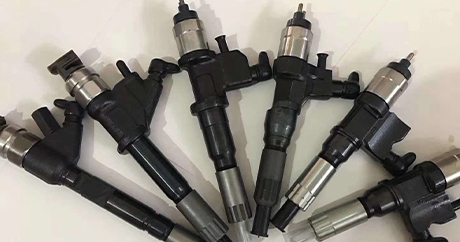
Modern diesel engines rely on three main fuel injection system architectures: Common Rail, EUI (Electronic Unit Injector), and EUP (Electronic Unit Pump). Each system has unique design characteristics, testing requirements, and diagnostic approaches. For technicians and workshop owners, understanding these differences is critical for accurate diagnosis and efficient repairs. This technical guide breaks down each system and explains how a diesel test bench can help you test them effectively.
Common Rail Injectors: How They Work and How to Test
Common Rail systems use a high-pressure pump that feeds a shared rail (accumulator), which supplies pressurized fuel to all injectors simultaneously. The key advantage is that injection pressure and timing can be independently controlled for each cylinder. Common rail injectors are the most common type in modern diesel engines (2000+ models).
Key Testing Parameters:
Return flow rate: A high return flow indicates internal leakage past the control valve or nozzle needle
Injection quantity: Measure fuel delivery at multiple engine speeds and load points
Spray pattern: Visual inspection for asymmetry, stream separation, or poor atomization
Opening and closing pressure: Verify solenoid or piezo actuation thresholds
A Common Rail diesel test bench like the CR217 Common Rail Injector and Pump Test Bench can measure all these parameters simultaneously, automatically comparing results against manufacturer specifications.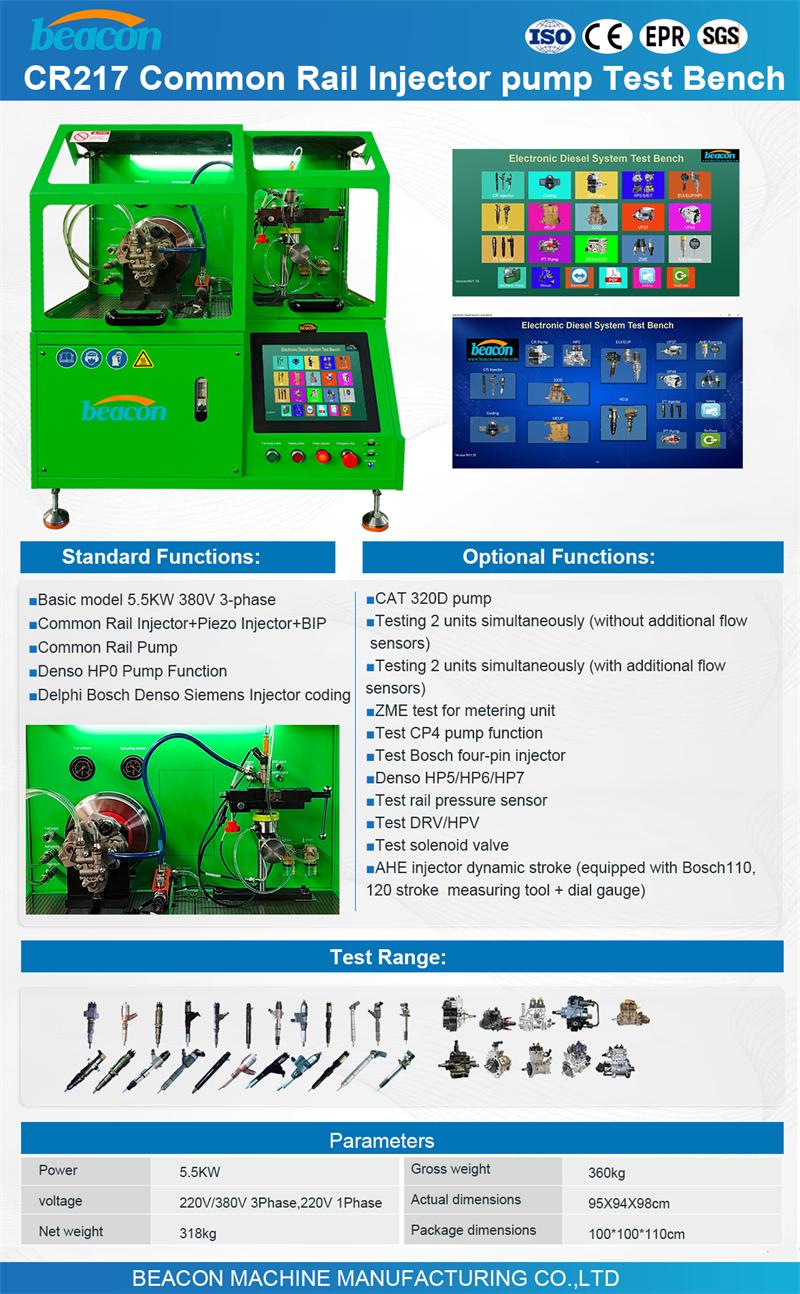
EUI (Electronic Unit Injector) Systems: Testing Challenges
EUI systems integrate the injector and pumping element into a single unit mounted directly in the cylinder head. Each injector has its own cam-driven plunger that pressurizes fuel. EUI systems are common in heavy-duty diesel engines from Caterpillar, Cummins, Detroit Diesel (Series 60), and many off-highway applications.
Distinctive Testing Considerations:
Cam-driven pressure profile: Unlike Common Rail, the pressure curve depends on cam lobe profile and engine speed
Injector timing: The electronic control module (ECM) controls injection timing via a solenoid
High mechanical loads: The pumping element experiences extreme forces, requiring robust calibration
Separate testing mode: Some test benches offer a dedicated EUI mode that simulates the cam-driven pressure pulse
For workshops serving fleet and heavy-duty customers, a test bench with EUI capability is essential. The CR708 Common Rail Injector and Pump Test Bench supports both Common Rail and EUI injector testing with adjustable pressure profiles.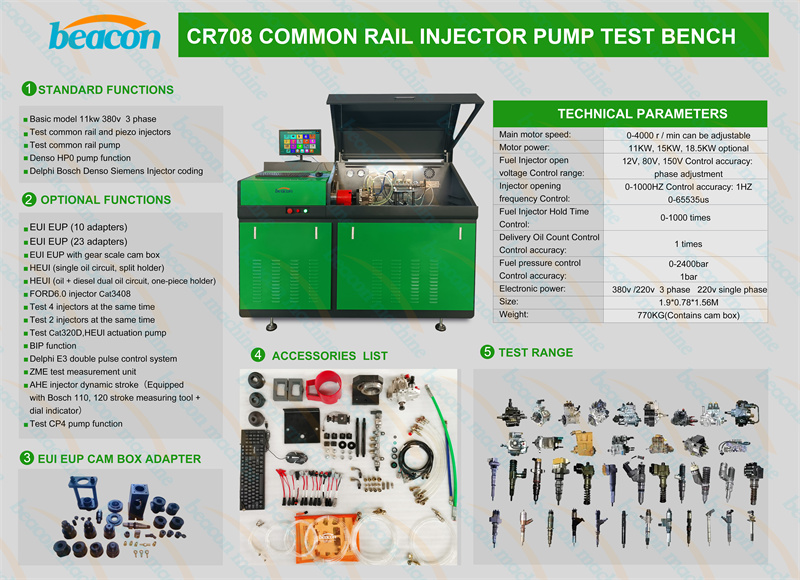
EUP (Electronic Unit Pump) Systems: What Makes Them Different
EUP systems use individual pump elements for each cylinder, mounted externally on the engine block. The pump is driven by the camshaft and delivers fuel to a conventional injector via a high-pressure line. EUP systems are found in MAN, Volvo, Scania, and some Cummins heavy-duty engines, particularly in European trucks.
EUP-Specific Testing Needs:
Pump and injector tested separately: Unlike EUI (where they are integrated), EUP components can be individually evaluated
High-pressure line integrity: The long high-pressure lines between pump and injector affect timing and pressure waves
Delivery rate consistency: Each pump must deliver identical fuel volume per stroke at specified rack position
Plunger and barrel wear: Common failure point causing reduced injection pressure and poor atomization
Which Test Bench Do You Need?
Choosing the right test bench depends on your customer mix and the types of engines you service. Here is a quick guide:
Common Rail only (passenger cars, light trucks): A dedicated Common Rail test bench like the CR217 or CR708 will cover most needs
Mixed fleet (Common Rail + EUI): Look for a bench with adjustable pressure profiles and EUI-compatible adapters
Heavy-duty and off-highway (EUI + EUP): A multi-function bench with both EUI and EUP support is essential
The CR919 Full-Automatic Common Rail Injector Test Bench offers the widest compatibility, supporting Common Rail, EUI, and select EUP configurations with factory-calibrated test programs.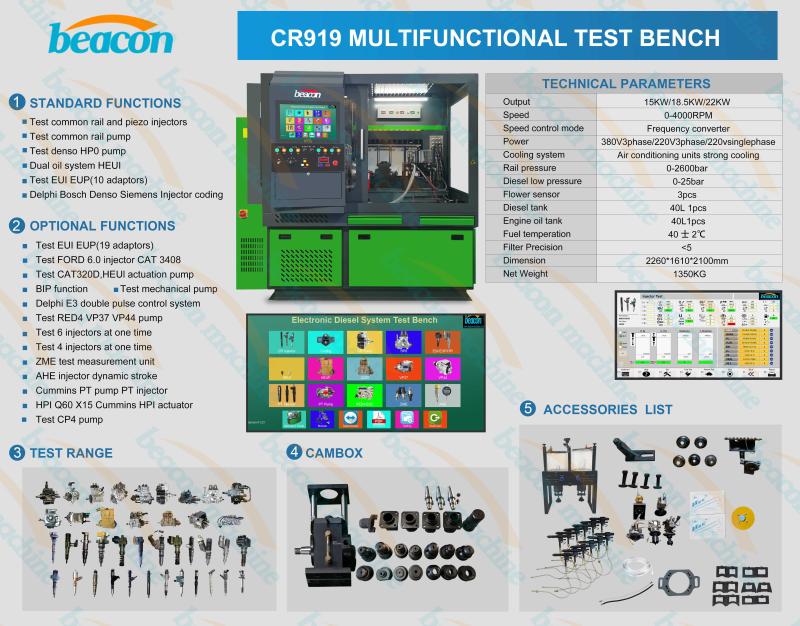
Common Failure Patterns Across All Three Systems
Despite their architectural differences, all three injector types share some common failure mechanisms that a test bench can quickly identify:
Nozzle coking: Carbon deposits restrict fuel flow and disrupt spray pattern
Worn control valves: Internal leakage reduces injection pressure and causes poor atomization
Solenoid failure: Electrical faults in the actuation coil cause intermittent or no injection
Spring fatigue: Weakened return springs alter opening and closing characteristics
Low return flow: In Common Rail systems, unusually low or zero return flow often signals a stuck-closed pressure control valve
Conclusion
Mastering the differences between Common Rail, EUI, and EUP injector systems is essential for any diesel service technician. While each system has unique testing requirements, a quality diesel test bench can handle all three with the right adapters and software configuration.
For more information on selecting the right test bench for your workshop, or to discuss your specific testing needs, contact Beacon Machine Manufacturing at Janechen@beacon-machine.com or via WhatsApp at +86-18253885138.
Related products
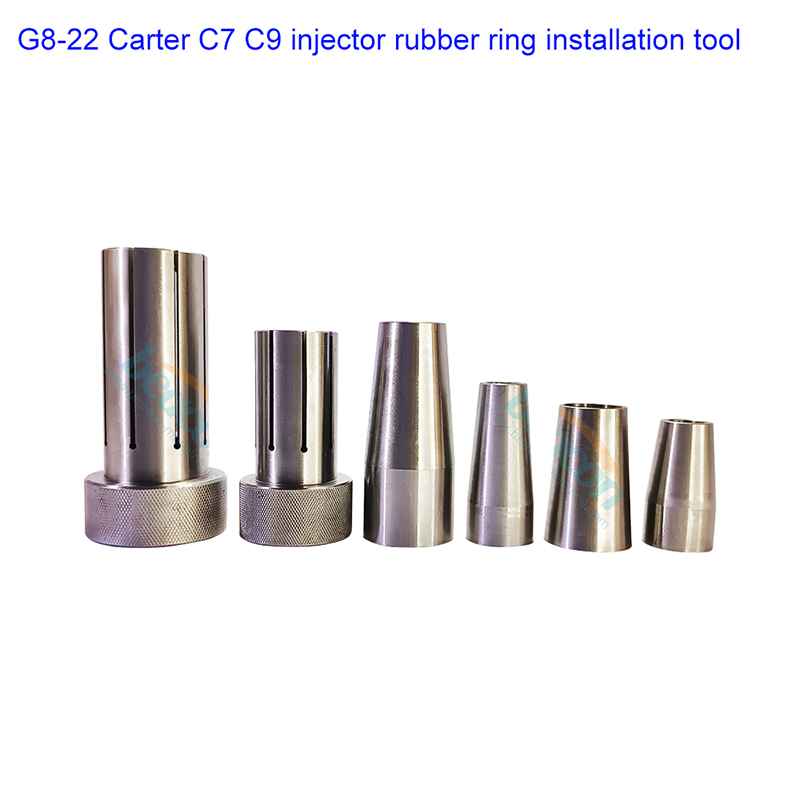
G8-22 Caterpillar CAT C7 C9 HEUI Injector O Ring Seal Installation Tool Kit
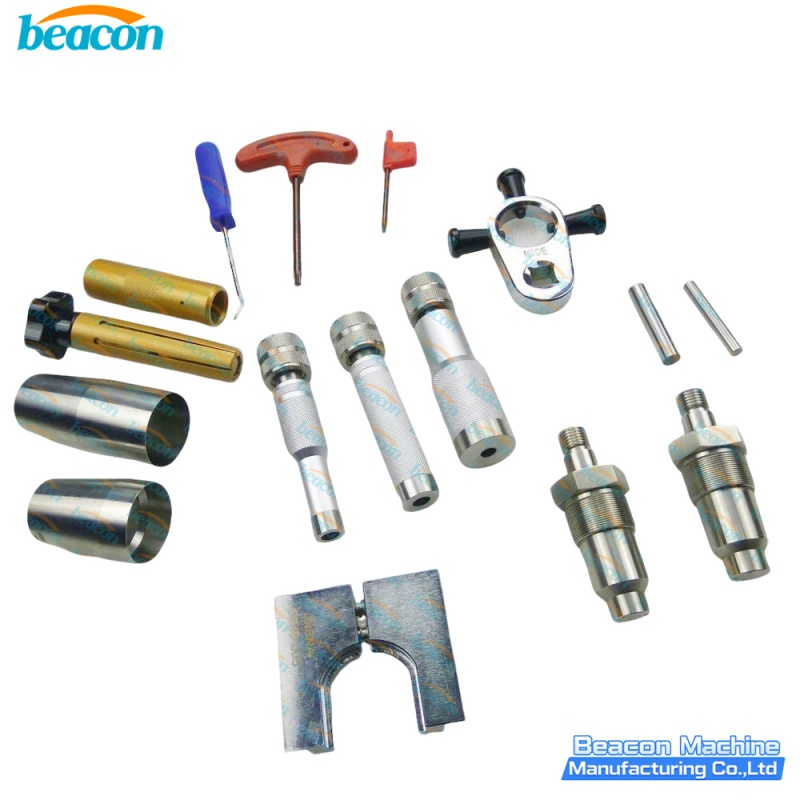
G8-6 Caterpillar CAT C7 C9 HEUI Injector Repair Rebuilding Tool Kit
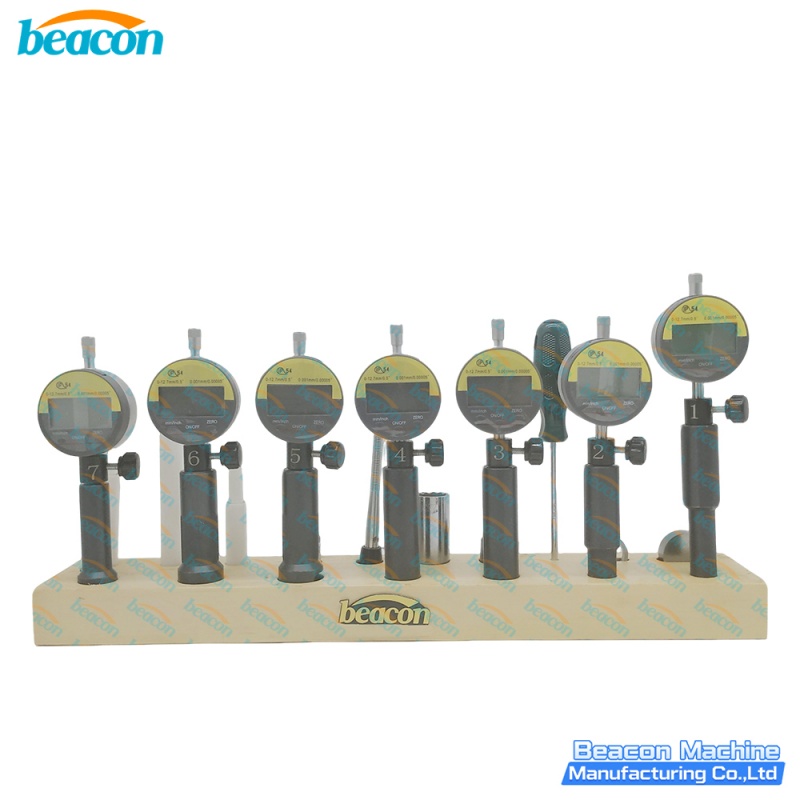
G6-17 Common Rail Injector Multi-Dial Indicator Solenoid Valve Stroke Measuring Tool Kit
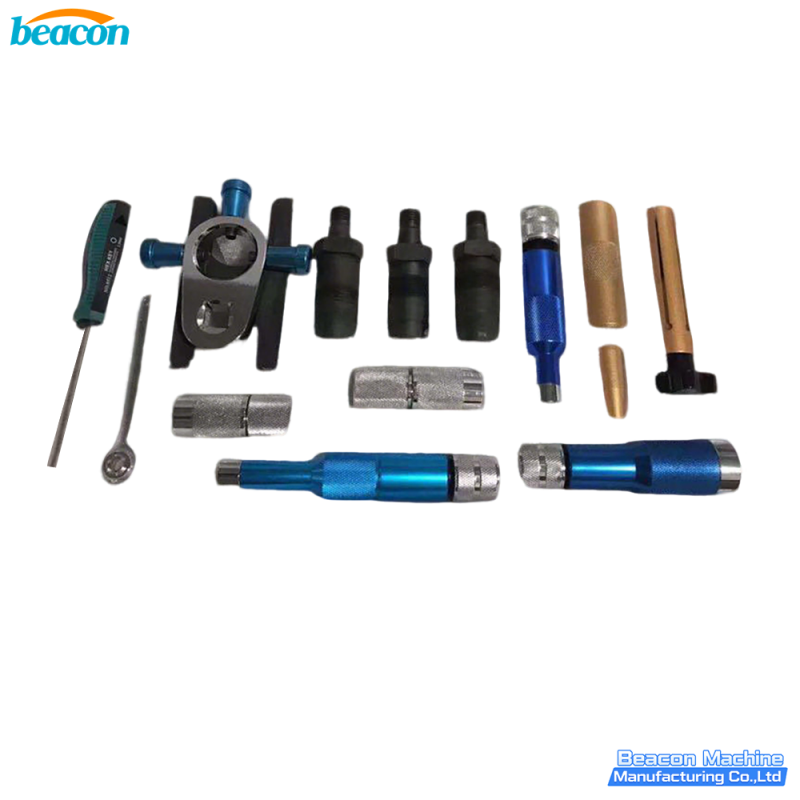
G5-34 Caterpillar CAT C7 C9 3126 HEUI Injector Removal and Disassembly Tool
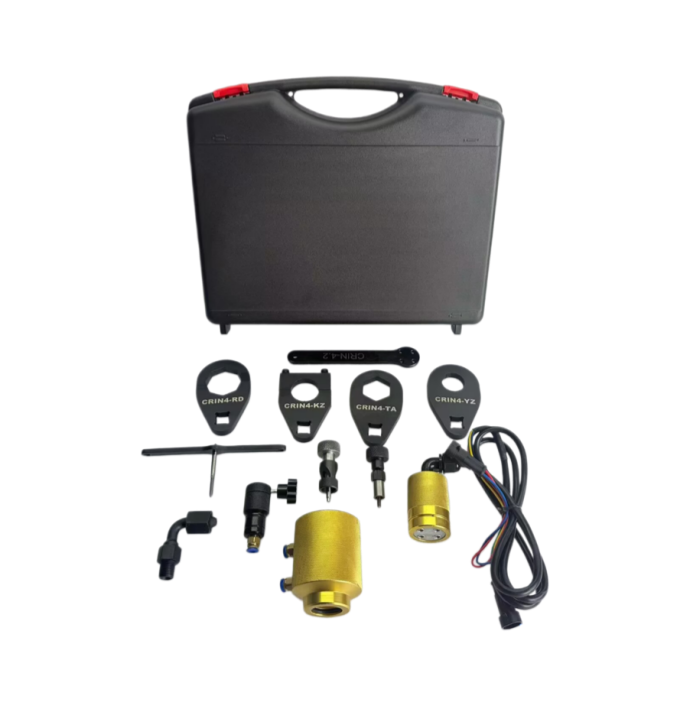
G4-88 Bosch CRIN 4-Pin Fuel Injector Disassembly and Testing Kit
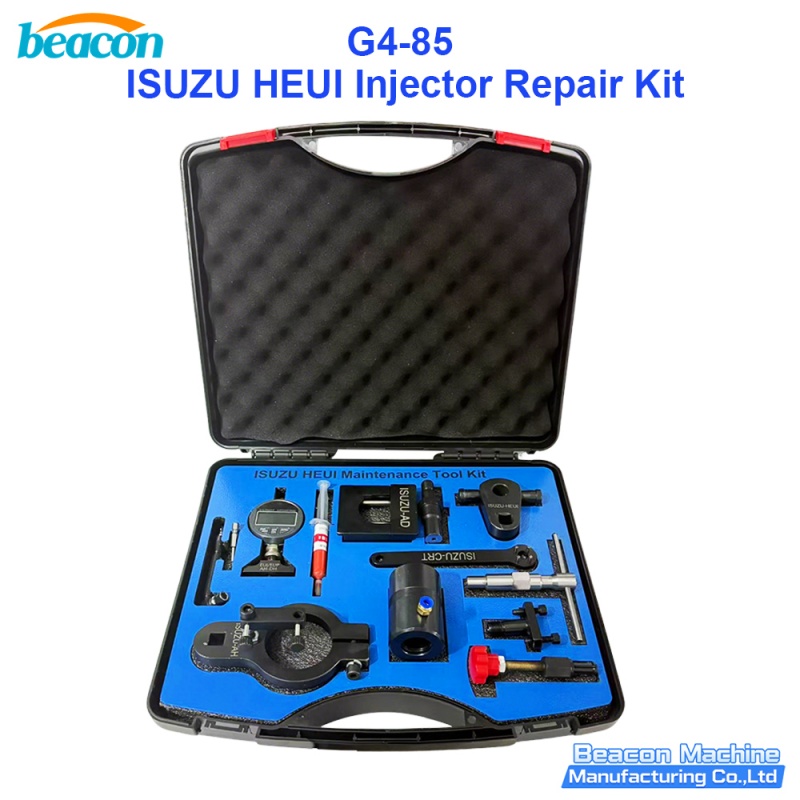
G4-85 ISUZU HEUI Fuel Injector Repair and Rebuild Tool Kit
 Beacon Machine Manufacturing Co.,ltd.
 about beacon
PRODUCTS
contact us
TEL: 0086-18253885138
WhatsApp:+86-18253885138
Email: Janechen@beacon-machine.com
Add: High Tech Industry Zone of East Tai an city,Shandong Province,China