Language
  EN
EN RU
RU ES
ES DE
DE EL
EL IT
IT JA
JA KO
KO PT
PT ID
ID SR
SR UK
UK VI
VI TH
TH TR
TR MS
MS BE
BE AR
ARInvesting in a Diesel Test Bench: Calculate Your ROI (Return on Investment)
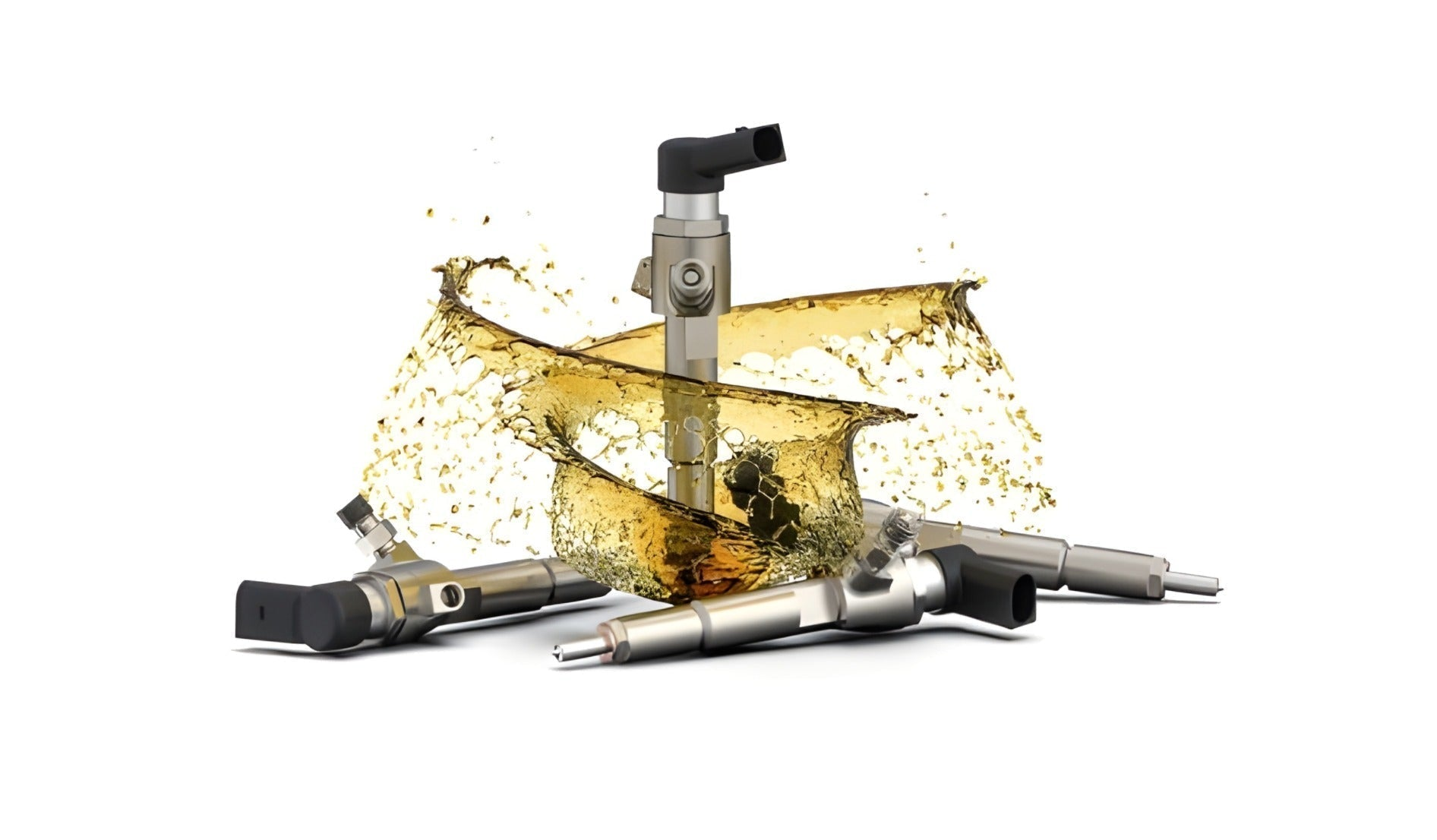
For repair shops and fleet managers, investing in a diesel test bench is a big decision - but it's one that can deliver significant returns over time. A test bench requires an upfront investment, but it saves money on parts, labor, and downtime, while also generating additional revenue. In this blog, we'll show you how to calculate the ROI of a diesel test bench, helping you decide if it's the right investment for your business.
Step 1: Calculate the Upfront Cost
The first step in calculating ROI is to determine the upfront cost of the test bench. This includes:
- The cost of the test bench (ranges from $2,000 to $20,000, depending on features and capabilities).
- Installation costs (if any).
- Training costs (for technicians to learn how to use the bench, if any).
For example, a mid-range diesel injector and pump test bench costs $4,500.
Step 2: Calculate Annual Savings
Next, calculate the annual savings from using the test bench. The biggest savings come from:
1. Reduced parts costs: No more replacing injectors or pumps that aren't faulty. For a repair shop that replaces 50 injectors per year at $200 each, eliminating misdiagnosis of just 10% (5 injectors) saves $1,000 per year.
2. Reduced labor costs: Faster diagnosis means less time spent on each repair. If a technician saves 1 hour per repair and handles 100 injector/pump repairs per year at $100 per hour, this saves $10,000 per year.
3. Reduced downtime (fleet managers): For a fleet of 50 trucks, reducing downtime by 1 day per truck per year at $800 per day saves $40,000 per year.
4. Extended component lifespan: Regular testing catches small issues early, reducing replacement costs. For a fleet, this can save $15,000 to $25,000 per year.
Using the example above, a repair shop could save $11,000 per year (parts + labor), while a fleet could save $55,000+ per year.
Step 3: Calculate Additional Revenue
A test bench also generates additional revenue by allowing you to offer specialized services:
- Injector/pump testing services (charge $50 to $100 per injector, $100 to $200 per pump).
- Injector cleaning and repair services (charge $100 to $150 per injector).
- Fleet maintenance contracts (offer regular testing services for fleets).
For a repair shop, offering these services could generate an additional $15,000 to $25,000 per year.
Step 4: Calculate ROI
ROI is calculated as (Annual Savings + Additional Revenue) / Upfront Cost x 100. Using the repair shop example:
- Annual Savings + Additional Revenue = $11,000 + $20,000 = $31,000
- ROI = ($31,000 / $4,500) x 100 = 688%
This means the test bench would pay for itself in less than 2 months ($4,500 / $31,000 per year = 0.15 years).
The Bottom Line
Investing in a diesel test bench is a smart financial decision for repair shops and fleet managers. It delivers significant savings on parts, labor, and downtime, while also generating additional revenue. With an ROI of 600%+ and a payback period of less than a year in many cases, a test bench is an investment that pays for itself quickly and continues to deliver returns for years to come.
Ready to invest in a diesel test bench for your workshop?
Contact us today for a quote and expert advice:
WhatsApp: +86-18253885138
Email: Janechen@beacon-machine.com
Related products
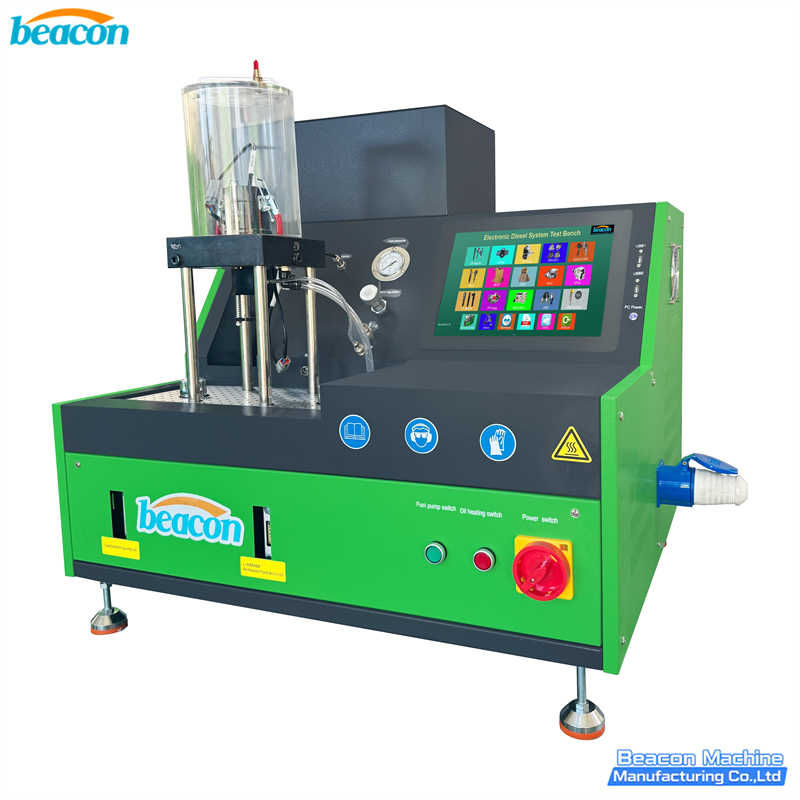
HEUI-FS HEUI Common Rail Injector Test Bench
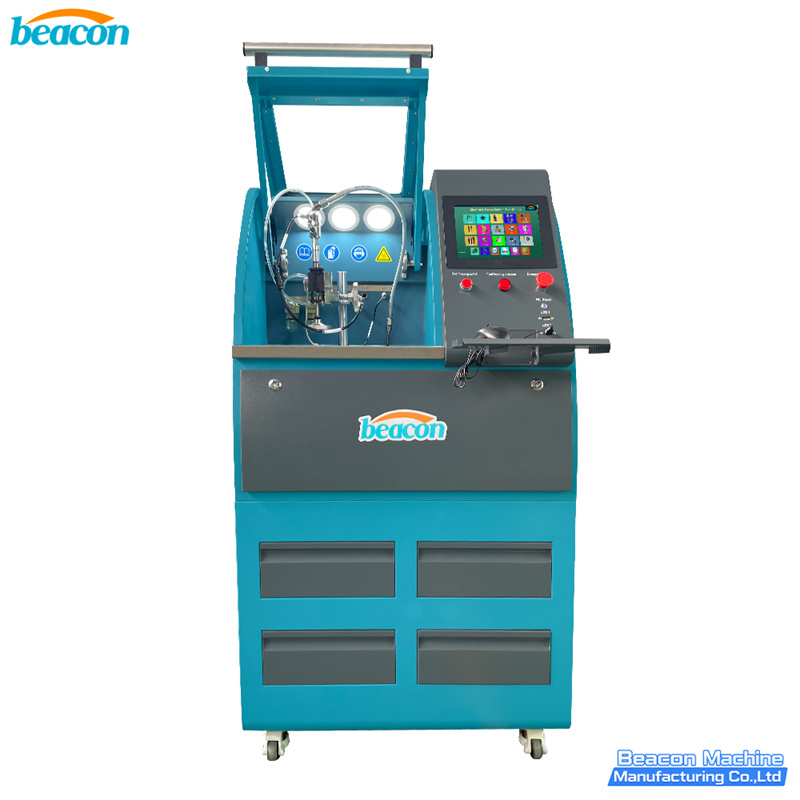
EPS206 PLUS Common Rail Injector Test Bench Piezo Injector Tester
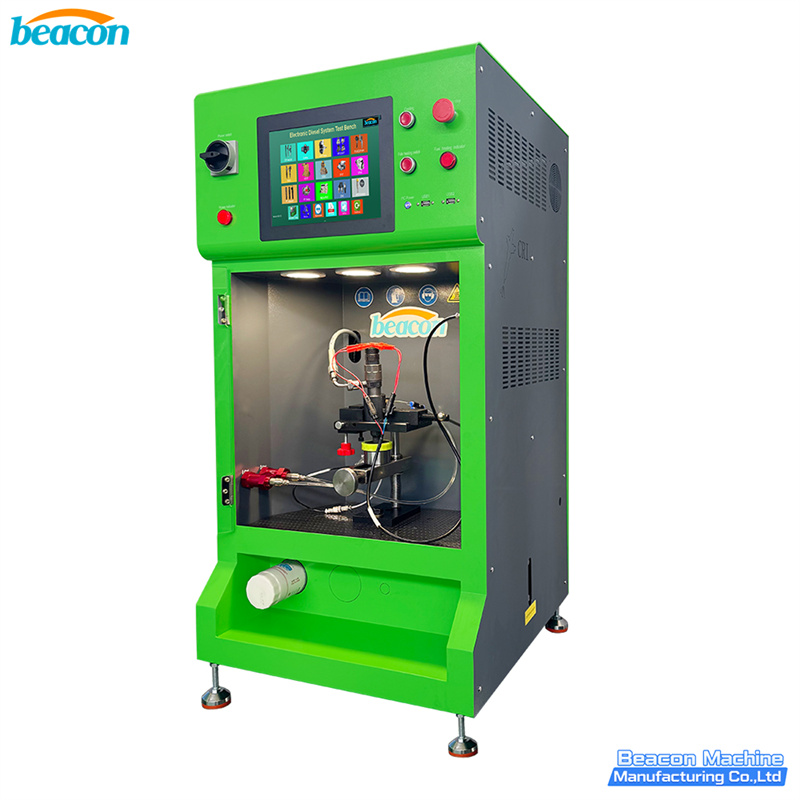
EPS290 Common Rail Injector Test Bench
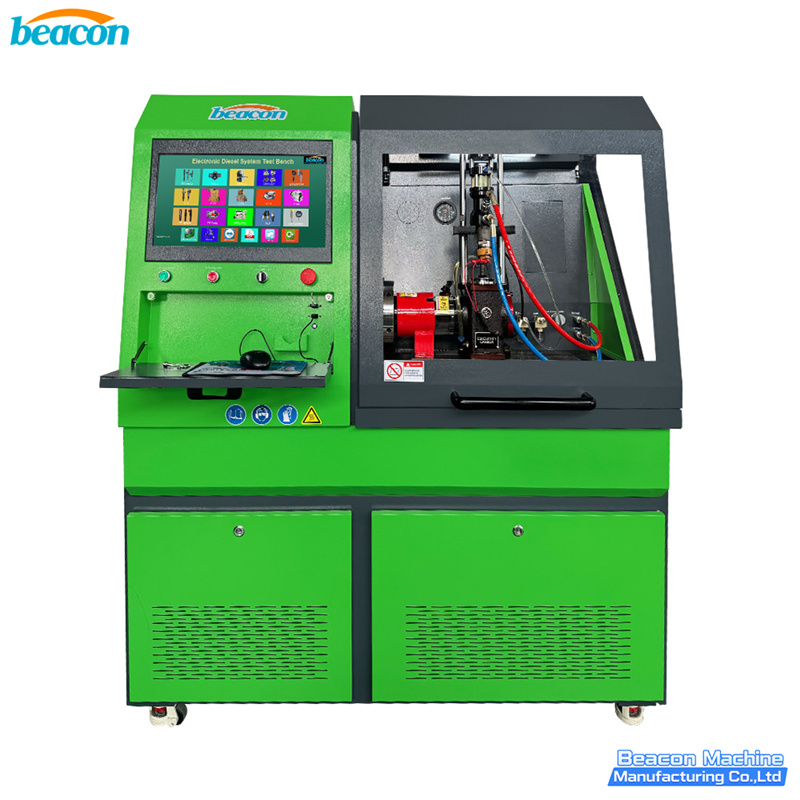
EUI EUP-F Electronic Unit Injector and Unit Pump Test Bench
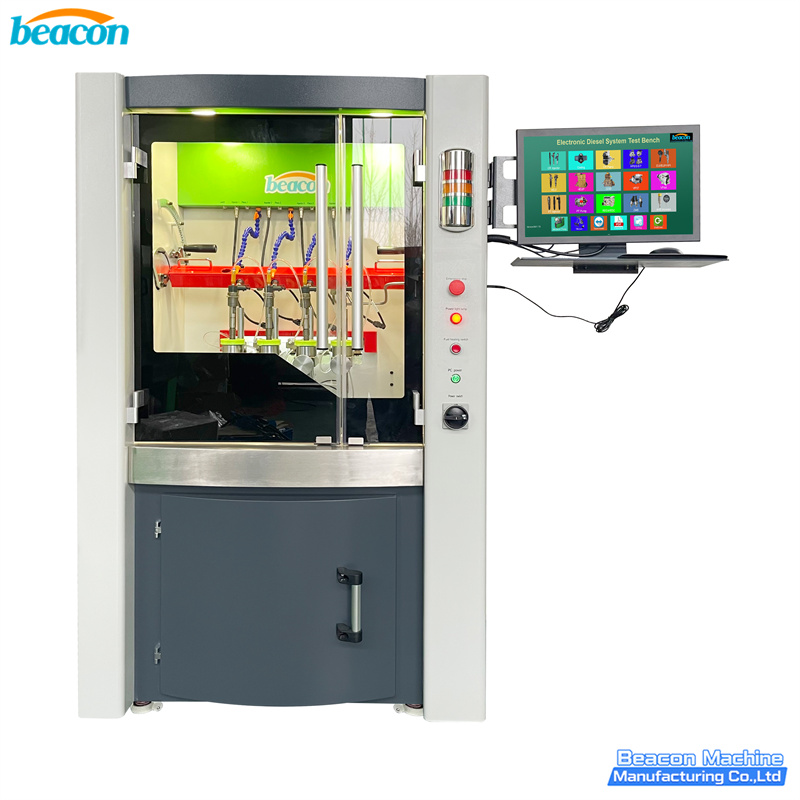
BC800-PRO Advanced Common Rail Injector Test Bench for Piezo and Solenoid Injectors
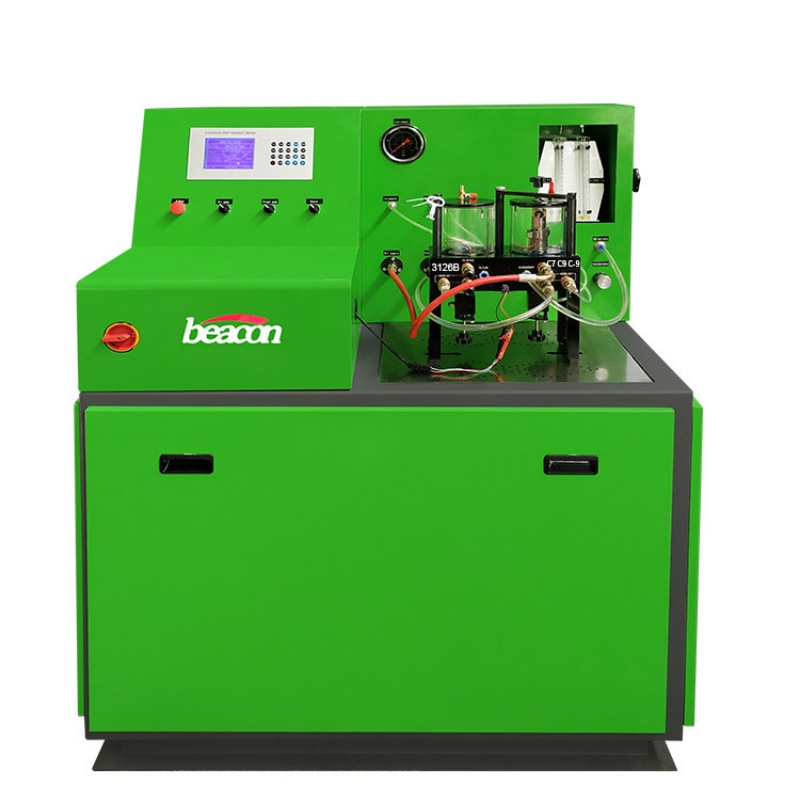
Professional HEUI-B Injector Test Bench and Calibration Stand for Caterpillar Engines
 Beacon Machine Manufacturing Co.,ltd.
 about beacon
PRODUCTS
contact us
TEL: 0086-18253885138
WhatsApp:+86-18253885138
Email: Janechen@beacon-machine.com
Add: High Tech Industry Zone of East Tai an city,Shandong Province,China