Language
  EN
EN RU
RU ES
ES DE
DE EL
EL IT
IT JA
JA KO
KO PT
PT ID
ID SR
SR UK
UK VI
VI TH
TH TR
TR MS
MS BE
BE AR
ARDiesel Injector Return Flow Diagnostics: A Complete Technical Reference for Common Rail Systems
Introduction
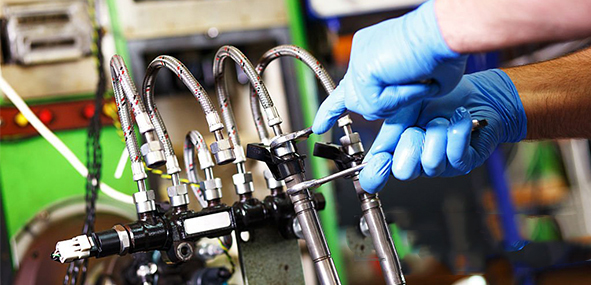
Injector return flow testing (also known as leak-off or spill testing) is one of the most effective diagnostic techniques for identifying faulty common rail injectors without removing them from the engine. By measuring the volume of fuel that bypasses the injector's internal control valve and returns to the tank, technicians can pinpoint internal wear, control valve leakage, and nozzle seat degradation with remarkable accuracy.
This technical reference provides specific diagnostic values for Bosch, Denso, and Delphi common rail injectors, step-by-step testing protocols, and detailed interpretation of return flow data. All values cited in this guide are based on OEM service documentation and industry-standard diagnostic practices.
The Physics of Injector Return Flow
In a properly functioning common rail injector, a controlled amount of fuel (typically 8-25 mL/min at idle depending on the injector type) is deliberately allowed to escape through the return line. This leak-off fuel serves three critical functions:
Lubrication: Fuel passing through the control valve lubricates internal moving parts, particularly the solenoid armature or piezo stack actuator
Cooling: Return flow carries heat away from the injector body, preventing thermal damage at rail pressures exceeding 2,000 bar
Air evacuation: The continuous flow prevents air from being trapped in the injector's internal passages
When internal components wear, the return flow rate increases beyond specification. A 100% increase in return flow (e.g., from 15 mL/min to 30 mL/min) typically indicates significant internal leakage that will affect injection performance.
Reference Return Flow Values by OEM
The following reference values represent normal return flow rates at hot idle (approximately 250-350 bar rail pressure, 80°C fuel temperature). These are consolidated from Bosch, Denso, and Delphi service documentation:
Bosch CRI 2.x (Solenoid): 12-22 mL/min per injector. Warning threshold: >30 mL/min. Maximum acceptable variation between cylinders: 5 mL/min
Bosch CRI 3.x (Piezo): 8-15 mL/min per injector. Warning threshold: >25 mL/min. Maximum acceptable variation between cylinders: 4 mL/min
Denso HPCR (Solenoid): 10-20 mL/min per injector. Warning threshold: >28 mL/min. Maximum acceptable variation between cylinders: 5 mL/min
Denso HPCR (Piezo): 8-18 mL/min per injector. Warning threshold: >26 mL/min. Maximum acceptable variation between cylinders: 4 mL/min
Delphi DFI 1.x (Solenoid): 15-25 mL/min per injector. Warning threshold: >35 mL/min. Maximum acceptable variation between cylinders: 6 mL/min
Note: Values vary by engine application. Always consult the specific OEM service manual for the engine being diagnosed. High-altitude operation and fuel temperature above 90°C will increase return flow rates by approximately 10-15%.
Step-by-Step Return Flow Diagnostic Procedure
Equipment Required
Graduated measuring cylinders or a dedicated return flow test kit (4 or 6 channels, depending on cylinder count)
Diesel-compatible flexible hoses with quick-connect fittings matching the injector return line connectors
Tachometer or scan tool to verify engine RPM (test must be conducted at specified idle speed)
Infrared thermometer to verify fuel temperature at the rail inlet (80 ± 5°C recommended)
Digital stopwatch or timer (manual timing acceptable but less precise)
Test Protocol
Prepare the engine: Run the engine at normal operating temperature (minimum 80°C coolant temperature). Disconnect the common return rail and connect individual return lines from each injector to separate measuring cylinders
Stabilize conditions: Allow the engine to idle for 2 minutes to purge air from the test lines and stabilize fuel temperature
Measure baseline: Simultaneously start timing and collecting return fuel from all cylinders. Collect for exactly 60 seconds
Record results: Note the volume collected from each injector in mL. Calculate the variation between the highest and lowest values
Load test (advanced): If baseline values are within specification but driveability concerns persist, repeat the test at 2,000-2,500 RPM (no load). Return flow should increase proportionally. A cylinder that shows a disproportionate increase may have a sticking control valve
Interpreting Return Flow Results
Return flow data must be interpreted in context. The following diagnostic matrix covers the most common patterns observed in common rail systems:
One injector 50-100% above spec: Worn control valve (most common failure). Internal leakage past the solenoid armature guide or piezo actuator seal. Replace the injector or rebuild with new control valve
Two adjacent injectors elevated: Possible high-pressure pipe restriction between the rail and the affected injectors, causing flow redistribution. Check pipe integrity before condemning injectors
All injectors uniformly high: Check rail pressure control valve (DRV/PCV). A stuck-open pressure control valve will cause elevated return flow from the rail itself, increasing flow through all injectors. Also check fuel temperature
Zero or near-zero return flow: Stuck-closed control valve or blocked return passage. This is critical: the injector may be hydraulically locked and stuck open, causing continuous injection. Engine may exhibit white smoke and misfire. Immediate injector replacement required
Intermittent high flow: Control valve sticking intermittently. May not appear during a 60-second test. Conduct extended testing (3-5 minutes) or perform multiple tests with engine rev cycles to reproduce the condition
One injector slightly low (within 20% of spec): Generally acceptable, but may indicate early-stage nozzle coking. Monitor over time. If accompanied by poor spray pattern, clean or replace the nozzle
The Role of the Test Bench in Return Flow Diagnostics
While return flow testing is an excellent on-engine diagnostic tool, it has limitations. Return flow testing alone cannot:
Quantify injection volume at various engine speeds and loads
Evaluate spray pattern quality and atomization
Measure opening and closing response times
Test injectors under controlled, repeatable conditions
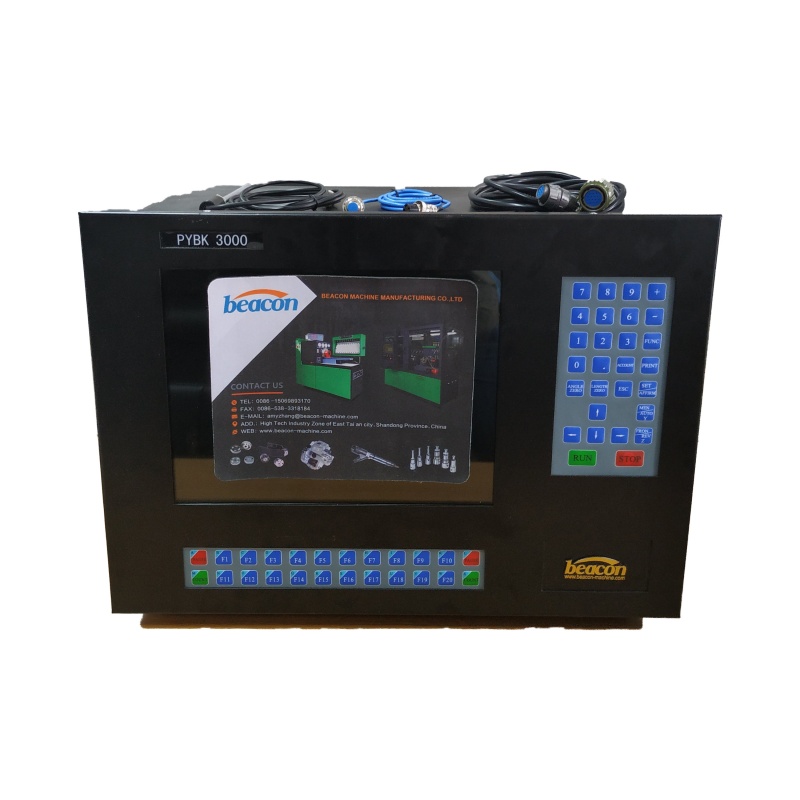
A high-quality common rail test bench, such as the CR919 Full-Automatic Common Rail Injector Test Bench or the CR708 Common Rail Injector and Pump Test Bench, addresses all of these limitations. A test bench provides precise control over test conditions, enabling technicians to measure individual injector performance against OEM specifications with laboratory-grade accuracy. For workshops performing 10 or more injector diagnoses per week, a dedicated test bench typically pays for itself within 6-12 months through reduced comebacks and faster diagnosis.
Common Pitfalls in Return Flow Testing
Incorrect fuel temperature: Return flow varies by approximately 0.3 mL/min per degree Celsius. Testing a cold engine will yield misleadingly low values
Restricted return lines: Kinked or blocked test hoses artificially reduce measured return flow. Always verify unobstructed flow before recording measurements
Air in the system: Air bubbles in the return line cause erratic flow readings. Purge the system thoroughly before timing begins
Single-test diagnosis: A single 60-second test may miss intermittent faults. Conduct at least two tests and average the results
Ignoring rail pressure: Return flow is directly proportional to rail pressure. If the engine has a faulty rail pressure sensor or pump, return flow values from a simple idle test may be within specification even when injectors are faulty. Always verify actual rail pressure with a scan tool
Conclusion
Injector return flow diagnostics is a powerful, cost-effective screening tool for common rail diesel injection systems. When performed correctly with proper reference values and careful interpretation, it can identify up to 80% of common injector faults without removing the injectors from the engine. However, for definitive diagnosis and injector rebuilding validation, test bench verification remains the gold standard.
For workshops looking to upgrade their diagnostic capabilities, Beacon Machine Manufacturing offers a complete range of common rail test benches suitable for workshops of all sizes. Contact us at Janechen@beacon-machine.com or via WhatsApp at +86-18253885138 for technical consultation or product inquiries.
References: Bosch Diesel Fuel Injection Service Documentation (CRI 2.x/3.x), Denso HPCR Service Manual, Delphi Diesel Fuel Injection Diagnosis Guide, SAE Paper 2015-01-0864: Common Rail Injector Return Flow Analysis.
 Beacon Machine Manufacturing Co.,ltd.
 about beacon
PRODUCTS
contact us
TEL: 0086-18253885138
WhatsApp:+86-18253885138
Email: Janechen@beacon-machine.com
Add: High Tech Industry Zone of East Tai an city,Shandong Province,China